The first wave of AASB S2 reporting from Group 1 entities signals a cautious, 'compliance-first' start. The market is currently huddled around the minimum viable disclosure, using built-in reporting reliefs to defer the most complex requirements, such as omitting comparative information and Scope 3 greenhouse gas emissions in their first reporting period.
The 'Measurement Uncertainty' Shield and 1-Year Buffer
A key theme in these early reports is the quantification gap. While the standard requires companies to disclose the financial effects of climate change, it provides an out: an entity doesn't need to provide quantitative info if the 'level of measurement uncertainty involved in estimating those effects is so high that the resulting quantitative information would not be useful,' or if the entity determines it simply lacks the 'skills, capabilities or resources' to do so.
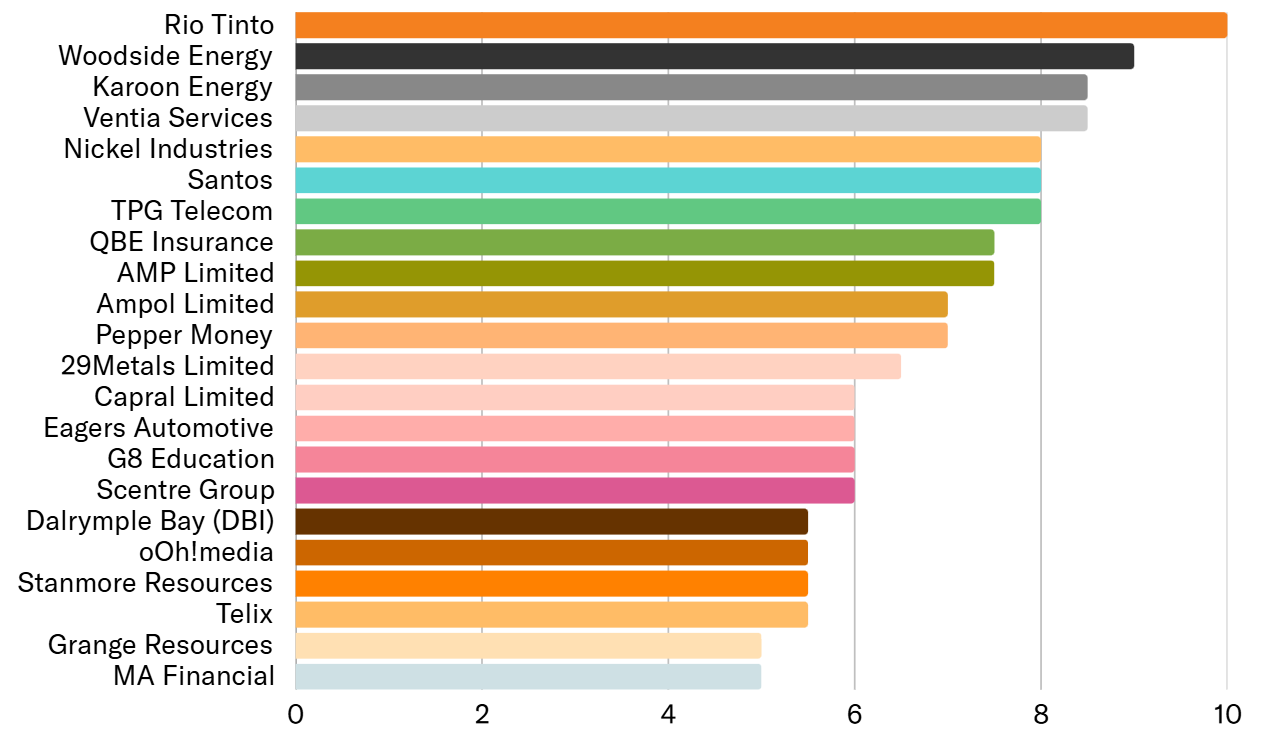
There is technically a one-year grace period (relief) specifically for Scope 3 emissions, which many are using to keep their reporting boundary narrow. However, this difficulty isn't universal; early reports from traditionally strong reporters like Rio Tinto and CBA show that high-quality disclosure against the new standard is possible for those with the right systems already in place.
And, it isn't yet clear what ASIC deem acceptable. Until the regulator provides its first round of feedback and reviews, companies are incentivised to do as little as possible to avoid being the tall poppy targeted for greenwashing.
Corporate Australia is currently laying the foundation, but they are doing so with the thinnest materials allowed. The true test of AASB S2 won't be these initial reports, but how quickly the regulator forces companies to move past their ‘uncertainty’ and ‘capability’ caveats and into real accountability.
Below is our assessment of AASB S2 disclosure quality across Group 1 entities. These scores reflect the maturity of each entity’s reporting, from baseline compliance to market leaders (10 represents the highest level of disclosure against the Australian Standards). Reach out for the full breakdown of our scoring criteria: